

Are Delta Munchies Legal in All States?
13 Jun 2025

Delta Munchies have quickly gained popularity for their exciting flavors and unique experience. However, there’s a lot of confusion around their legal status in different states. This FAQ will delve into the nuances of Delta Munchies legality, helping you understand whether or not they’re permitted where you live.
What Are Delta Munchies?
Delta Munchies are edible products infused with Delta-8 THC, a cannabinoid found in the hemp plant. Known for their calming effects and unique taste profiles, they’re a hit among users looking for an alternative to Delta-9 THC.
The allure of Delta Munchies lies in their ability to offer a mild high, similar to that of traditional cannabis products, but with generally fewer psychoactive effects. This makes them particularly attractive to individuals who seek a more balanced and less intense experience.
Interestingly, Delta-8 THC is chemically different from Delta-9 THC, the latter being the commonly known compound in marijuana responsible for the “high” sensation. Thus, Delta Munchies provide an experience that’s often described as a smoother ascent compared to other edibles.
Federal vs. State Laws
While Delta-8 THC might be federally legal under the 2018 Farm Bill, individual states have the freedom to establish their own laws regarding its sale and consumption. This means legality can differ significantly from one state to another.
The 2018 Farm Bill was a significant turning point and largely responsible for the surge in popularity of hemp-derived products. However, it’s essential to recognize that just because a federal law has been established, it doesn’t override state-specific laws in terms of cannabis regulation.
For instance, some states actively regulate Delta-8 THC similarly to recreational cannabis, imposing restrictions or even complete bans. It’s critical to distinguish between these differing legal landscapes to avoid any missteps.
States Where Delta Munchies Are Legal
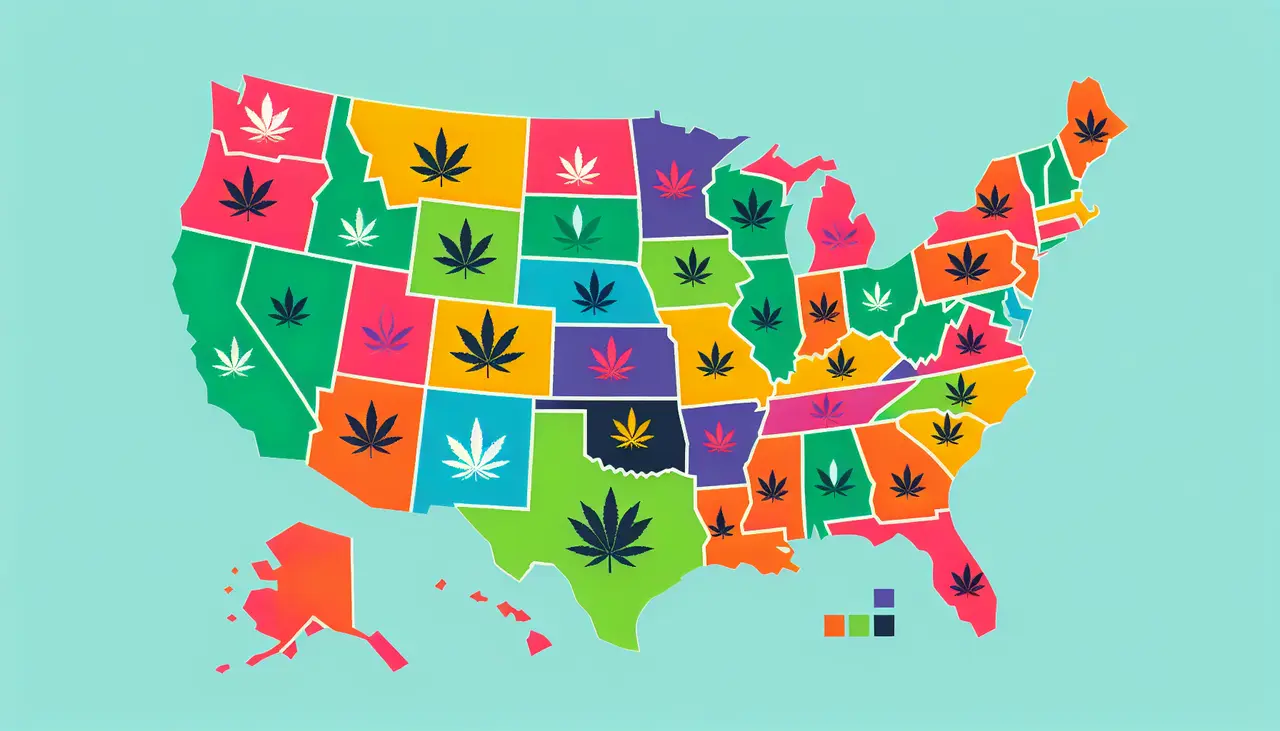
Many states permit the sale and consumption of Delta Munchies, often due to their relaxed stance on hemp-derived products. Always verify with local legislation, as this list can change frequently.
If you’re looking for states where Delta Munchies are embraced, begin with those that have already legalized recreational or medical cannabis, as they tend to allow more liberal use of Delta-8 THC products.
States Where Delta Munchies Are Restricted
Several states have imposed restrictions on Delta Munchies, citing safety or regulatory concerns. It’s important to know if your state is one of them to avoid legal issues.
States like Alaska, Colorado, and Delaware have outright banned the sale of Delta-8 products, treating them with the same regulatory scrutiny as Delta-9 THC products. The restrictions often stem from concerns over youth access and potential health risks.
Checking the latest state regulations is key as the legal status of Delta Munchies consistently evolves. Staying updated can mean the difference between a legal purchase and facing unintended legal consequences.
How to Stay Updated on Legal Changes
Laws around hemp products can change rapidly. To stay informed, consider following local news, legal databases, and updates from relevant organizations. This will help you remain compliant with legal standards.
Sign up for newsletters from organizations focusing on cannabis laws and look for official state announcements regarding any changes to Delta-8 THC regulations. These resources can offer real-time updates as they happen.
Engaging with online forums and communities that discuss cannabis products is another way to stay in the loop. These groups often share firsthand accounts and information about the latest legal developments in real-time.
For a comprehensive understanding, always refer to state legal texts regarding controlled substances to ensure you’re fully compliant. These documents can provide the most detailed and specific explanations about what is legally permissible regarding Delta Munchies.
Staying Informed on Delta Munchies Legality
Navigating the legal landscape of Delta Munchies can be challenging due to varying state laws. It’s crucial to stay informed about your local regulations to ensure compliance. Always check for updates, as laws pertaining to cannabis products are constantly evolving.